
What Does the Church Need in These Last Days? Lessons from the Early Church

The world is changing fast, and the pressures on believers are real. But the blueprint for how the church should operate has never changed. A look at the early church in Acts reveals five powerful qualities that made them effective, and those same qualities are exactly what is needed today.
Why the Church Needs the Power of the Holy Spirit Right Now
The devil is running rampant in the world today, and society is constantly telling people how to live. But believers have the Word of God as their guide. Just as God sent Moses to bring the Israelites out of Egypt, the Holy Spirit has been sent to lead the church through this world and toward something far greater.
Without being led by the Holy Spirit, we are simply finding our own way. And our own way is not enough.
"But ye shall receive power, after that the Holy Ghost is come upon you: and ye shall be witnesses unto me both in Jerusalem, and in all Judaea, and in Samaria, and unto the uttermost part of the earth." — Acts 1:8
What Made the Early Church So Effective?
After Jesus ascended into heaven, His disciples did exactly what He told them to do. They waited, they prayed, and they received the Holy Spirit. What followed turned the world upside down. Here are the five things that made the early church so powerful.
1. They Had Unity
On the day of Pentecost, the disciples were all in one accord. They stayed in the upper room together until the Holy Spirit fell. They did not leave. They did not divide. They were unified around a single purpose.
A house divided against itself cannot stand. The devil's primary strategy against the church has always been division, whether through different traditions, ideologies, or personal preferences. But Jesus is not coming back for a bride full of strife and division.
Unity does not mean everyone has the same income or the same life circumstances. It means having the same compassion, the same goals, and the same desire to see God's work done. It means not walking past someone in need like the Pharisees did, but stopping to help.
2. They Had Boldness
The early church did not soften the message to avoid hurting feelings. They preached the Word of God with boldness, even when it meant facing beatings, imprisonment, and death. James faced death and still the gospel went forward.
The Word of God is what convicts. Sweet-talking or watering down the message does not get people saved. Calling sin what it is does not mean hating the sinner. It means loving them enough to tell them the truth.
That boldness was not manufactured. It came directly from the indwelling presence of the Holy Spirit. The church today must operate with that same boldness, not in fear of what people might think, but in confidence in what God has said.
3. They Had Love
Jesus told His disciples they would be known by the love they had for one another. The early church was bonded together by love. When one member had a need, another stepped in to meet it.
"By this shall all men know that ye are my disciples, if ye have love one to another." — John 13:35
Too often, churches operate in small groups where the right hand does not know what the left hand is doing. Brothers and sisters suffer in silence while others nearby have no idea. That is not the love of the early church. Their deep-rooted love for God caused them to lay down their lives for the sake of building His kingdom.
4. They Were Steadfast
The early church structured their entire lives around their faith community. They met daily in the temple. They went from house to house. The church was not just a Sunday event. It was their life.
Today, many believers see church as a place where services are held once or twice a week. But steadfastness means faithfully studying the Word, communing with God daily, and showing up ready to minister to one another. When believers walk out the doors of the church, they go out to serve. That requires preparation and consistency.
5. They Yielded to the Holy Spirit
Before making any major decision, the early church prayed and fasted until they received specific direction from God. They knew the importance of being led by the Spirit rather than by their own understanding.
Before the church today can experience a breakthrough of power, man-made doctrines and personal ideologies must be set aside. Humility before God in prayer and fasting opens the door for the Holy Spirit to lead in ways that human planning never could.
"Howbeit when he, the Spirit of truth, is come, He will guide you into all truth." — John 16:13
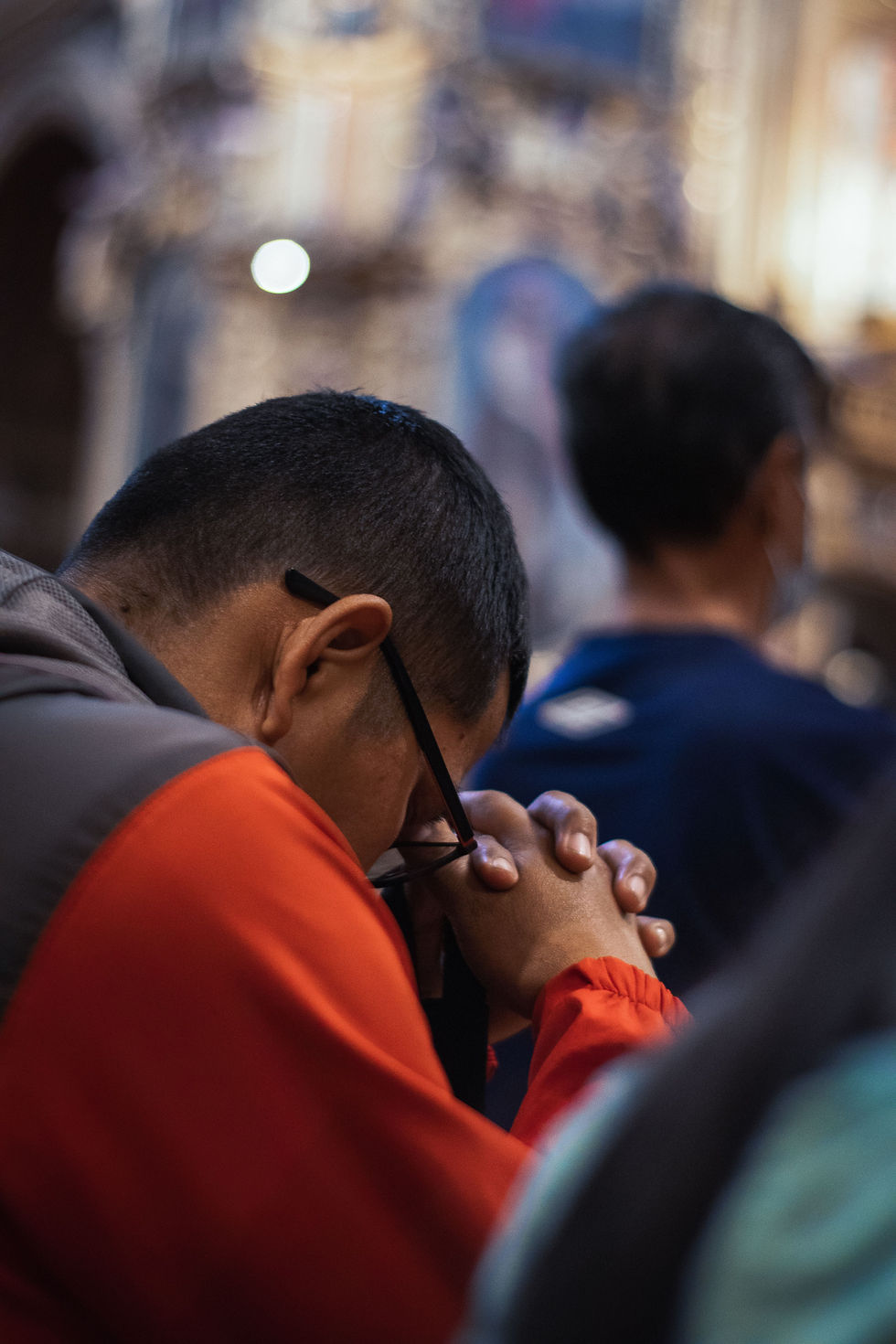
Why Prayer Is the Foundation of Everything
Jesus is the ultimate example. When He walked this earth, He prayed constantly. He prayed before choosing the twelve apostles. He prayed before feeding the five thousand. He prayed in the wilderness after fasting forty days. He prayed in the garden of Gethsemane until His sweat became like great drops of blood.
If Jesus, the Son of God, had to pray, what does that say about the need for prayer in our own lives?
Prayer is not an afterthought for the believer. It is the foundation. Here is what consistent, intentional prayer does:
It casts out fear and doubt
It aligns our will with the will of God
It reveals the error of our ways
It makes us more humble before God
It increases our knowledge and understanding of the Word
It opens the door for God to reveal truth we have not yet seen
The early church prayed before they did anything. That is the blueprint. And if prayer is not intentional, it simply will not happen. The time has to be set aside and protected, just like showing up to work on time. God deserves at least the same discipline we give to our employers.
What Traditions and Ideologies Can Get in the Way
Many believers hold onto things they were taught growing up, not because they have searched the scriptures, but because it has always been that way. As we grow closer to God, He will reveal things that challenge what we thought we knew. That is not a threat. That is growth.
"Study to shew thyself approved unto God, a workman that needeth not to be ashamed, rightly dividing the word of truth." — 2 Timothy 2:15
The Holy Spirit's job is to lead and guide into all truth. But that requires a willingness to let go of what we think we already know and remain open to what God wants to teach.
Life Application
This week, make prayer intentional. Choose a specific time each day and protect it. Do not wait until you feel like praying. Set the time, show up, and pray until something moves in your Spirit. Start by asking God to reveal one area of your life where your will has not yet aligned with His.
As you reflect on this message, consider these questions:
Am I contributing to unity in my church and community, or am I part of the division?
When did I last speak the truth of the gospel boldly to someone who needed to hear it?
Is there a brother or sister around me who is hurting that I have overlooked?
How consistent and intentional is my prayer life, and what would it look like to treat it with the same discipline I give to other commitments?
Are there traditions or personal ideologies I am holding onto that may be keeping me from what God wants to show me?
The early church changed the world because they were unified, bold, loving, steadfast, and yielded to the Holy Spirit. That same calling belongs to the church today. The work is not finished. The gospel still needs to go forward. And it starts with each believer making the decision to pray, to yield, and to go.


Comments